Nigeria’s Agro Commodities: The Untapped Engine of Economic Growth
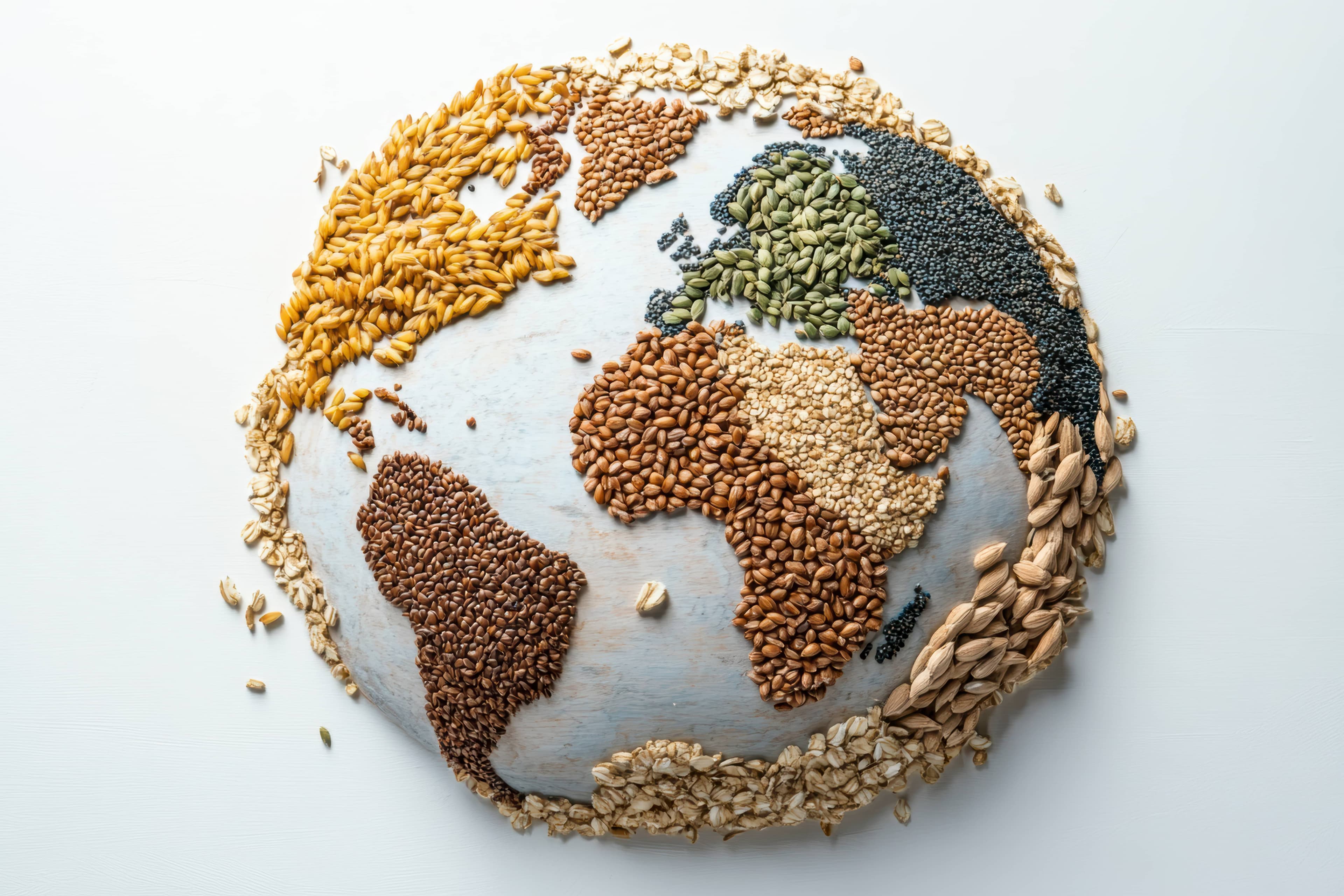
Nigeria’s agricultural sector remains one of the country’s most powerful yet underleveraged economic assets. With vast arable land, diverse climatic zones, and a growing global demand for food and raw materials, agro commodities are increasingly positioned as a cornerstone of national development and a lucrative opportunity for traders, processors, and international buyers.
Across the country, millions of smallholder farmers cultivate a wide range of high-value commodities such as sesame seeds, ginger, cashew nuts, cocoa, hibiscus, soybeans, and maize. These products have become globally recognized for their quality, especially as more international markets look to Africa for ethically sourced, organic, and competitively priced agricultural goods. Nigeria is already one of the world’s leading producers of sesame, ginger, and cashews—yet only a fraction of its true export potential has been unlocked.
The domestic market is equally robust. Food manufacturers and processors continue to demand reliable supplies of raw materials to support production across FMCG, pharmaceuticals, animal feed, and cosmetics industries. As population and consumption increase, the need for efficient sourcing and structured supply chains becomes even more critical.
Despite the opportunities, the agro-commodity value chain faces structural challenges. Price volatility, inconsistent quality, limited access to funding for local buyers, and fragmented supply networks often disrupt trade. Many farmers lack direct access to high-paying off-takers, while buyers struggle to maintain visibility and control over field operations and inventory. These gaps create inefficiencies that reduce profitability across the chain.
However, new models are emerging to address these constraints. Technology-driven platforms, improved warehousing systems, and data-backed commodity management tools are reshaping how products move from farm to market. With better traceability, transparent pricing, and structured local buyer networks, Nigeria can significantly improve commodity aggregation, quality control, and export competitiveness.
For investors and buyers, the future of agro commodities in Nigeria is promising. As global food security concerns rise and supply chains continue to diversify, countries like Nigeria—rich in land, labor, and agricultural heritage—will play a central role in meeting international demand.
Unlocking this potential requires collaboration between farmers, aggregators, processors, exporters, and support institutions. With strategic investment and modern supply chain systems, Nigeria’s agro-commodity sector can become a dominant force in Africa and a reliable engine of economic growth for decades to come.
Need Help or Have Questions?
Our team at Urat Commodities is here to assist you. Get in touch and let us help you with your needs.
Available Monday - Friday, 8:00 AM - 5:00 PM